Innovator Founder Visa UK: business plan and endorsement requirements
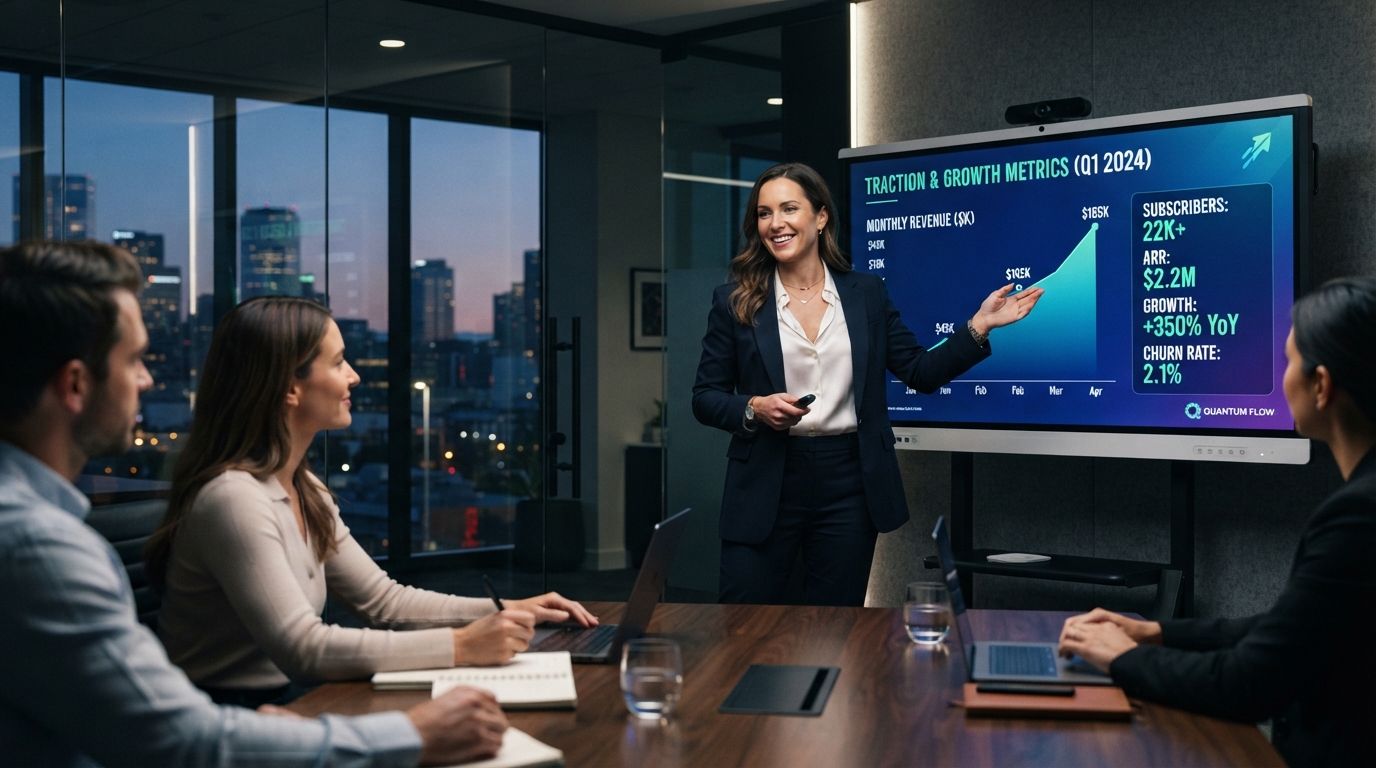
Your plan has to convince an endorsing body that the business is new, innovative, viable and scalable. In practice that means a clear problem, evidence customers want it, an honest view of competitors, a founder who fits, financials that add up and a believable source of funding.
There is no official template for an Innovator Founder business plan. Endorsing bodies publish their own guidance and forms, and you should follow the one you apply to. But the same questions come up at every body. A good plan answers them before they are asked.
Start with the problem, not the product
The first page should make an assessor who has never worked in your industry understand who has the problem, how they deal with it today, and what it costs them. One or two specific examples beat a paragraph of market statistics.
Then describe what you are building and how it solves that problem. Keep technical detail for a later section or an appendix.
The sections assessors expect
- Summary. One page. The problem, your solution, your customer, how you make money and what you need.
- Founder and team. Why you are the right person. Relevant experience, skills, industry contacts. If there are gaps, say how you will fill them.
- Market. Who buys, how many of them there are in the UK and beyond, and how you know. Show your sources.
- Competition. Everyone you compete with, including the spreadsheet or manual process customers use now. Then why you win.
- Innovation. What is genuinely new. This deserves its own section.
- Go-to-market. How you will find the first 10 customers, then the first 100. Channels, pricing, sales cycle.
- Operations and milestones. What happens in months 1 to 36. Hiring, product releases, partnerships.
- Financials. Three-year projections with the assumptions written out, plus a cash flow that shows you won't run out of money.
- Funding. How much you have, where it comes from and when you will need more.
Showing innovation
This is where most plans are weakest. "Using AI" or "a platform for X" is not an innovation claim. Good innovation sections usually rely on one or more of these:
- A proprietary method, dataset or technology you have built or have rights to.
- A specific insight from years in the industry that others have missed, backed by evidence.
- A new business model for an existing problem, with a reason it wasn't possible before.
- Research you developed, ideally with published work or intellectual property behind it.
Be honest about what already exists. Assessors search for competitors, and a plan that claims to have none loses trust fast.
Viability: the numbers have to hold together
Assessors don't expect perfect forecasts. They expect forecasts that follow from stated assumptions. If you say you will have 500 paying customers in year two, the plan should show how many leads, meetings and conversions that needs, and who will do the selling.
Common problems:
- Revenue that grows fast while costs stay flat.
- No salaries for the founder, even though you need to live.
- Hiring plans the funding can't cover.
- Prices that don't match what competitors charge, with no reason given.
Funding evidence
There is no minimum investment, but you must show the endorsing body you have enough funding for your plan and where it comes from. Bank statements, investor letters or signed agreements are stronger than intentions. If you are relying on raising money later, show a realistic plan and what you will do if it takes longer.
A modest plan you can defend line by line beats an ambitious one you can't explain at interview.
Scalability: think beyond the first city
Show how the business grows past you. That usually means hiring UK staff, reaching customers across the UK and a credible path to international markets. Job creation matters here and later on, because two of the seven settlement options are about jobs created for settled workers.
Before you submit
Read the plan as a sceptical investor would. Can every number be traced to an assumption? Can you explain every section without notes? Most endorsing bodies interview applicants, and the interview tests whether the plan is really yours. We run mock interviews as part of our Innovator Founder service.
Official sources
Checked on 29 September 2026. Fees and rules change, so confirm the current position on these pages before you pay or apply.
- GOV.UK: Innovator Founder visa overview and fees
- GOV.UK: Innovator Founder eligibility
- GOV.UK: Knowledge of English (B2)
- GOV.UK: Endorsing bodies for Innovator Founder and Scale-up
Common questions
Is there an official Innovator Founder business plan template?
No single template is set by the Home Office. Each endorsing body publishes its own guidance and forms, and you should follow the one you apply to.
How long should an Innovator Founder business plan be?
Long enough to answer every question clearly, and no longer. Many strong plans are 20 to 40 pages with financials in an appendix. Check your endorsing body for any limit.
Do I need investors before applying?
Not necessarily. You need to show enough funding for your plan and where it comes from. Your own savings can count if they are enough.
Can I change my business after I am endorsed?
Changes need to be agreed with your endorsing body. Major changes may need a fresh assessment.
This guide is general information based on the official rules as they stood on 29 September 2026. It is not legal advice for your situation. Immigration rules and fees change, so check the official sources above or speak to us before you apply.
See where your profile actually stands
Take the free eligibility check: 15 questions, an honest readiness score and a named case officer if you want one.
Check Eligibility →