EB-1A green card: eligibility, criteria and evidence required
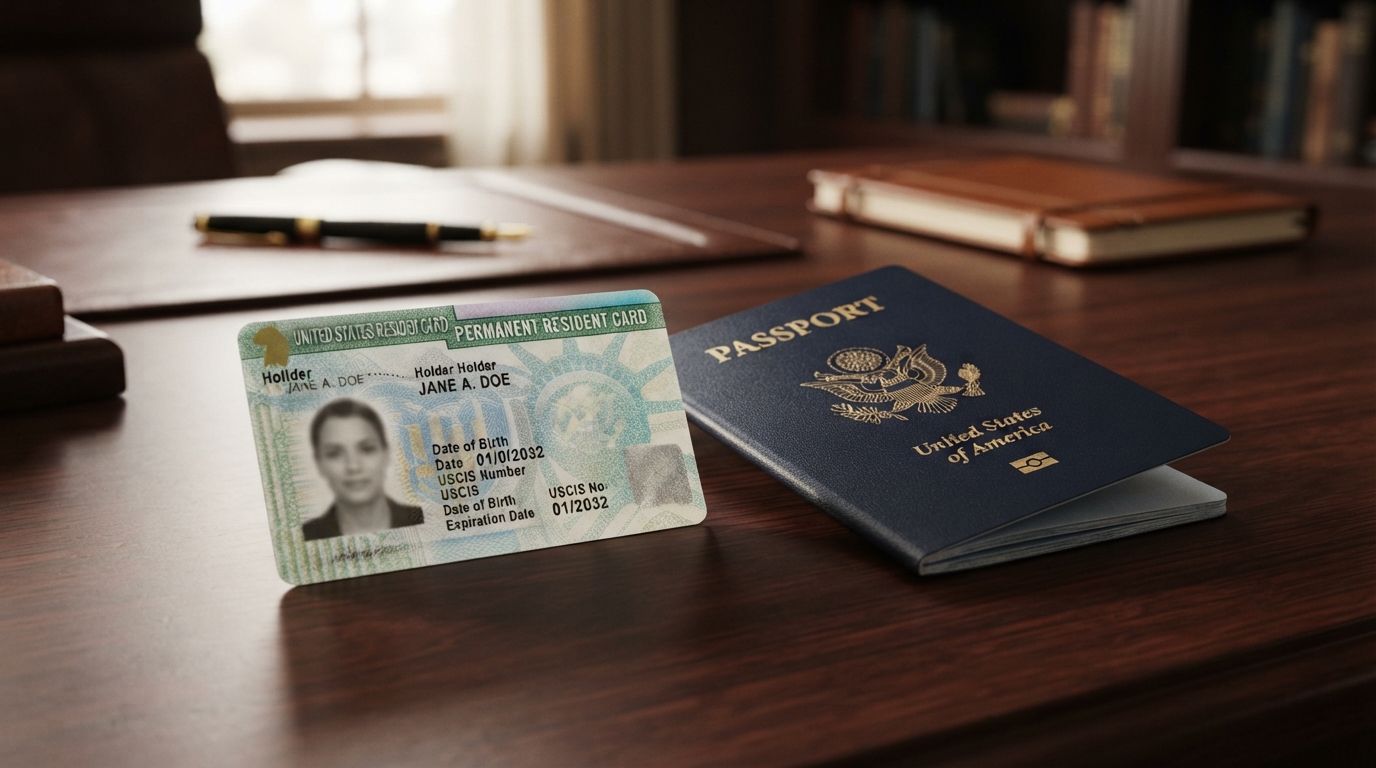
The EB-1A is a US green card for people with extraordinary ability who have reached the very top of their field. You can file for yourself on Form I-140, with no employer or job offer. You need either a major internationally recognised award or evidence for at least 3 of 10 criteria, and then USCIS looks at the whole record to decide whether you really are at the top.
The EB-1A is the most flexible US green card for talented professionals. No employer has to sponsor you, there's no labour certification, and you can file from anywhere. The trade-off is a high bar: the regulations describe it as being one of the small percentage who have risen to the very top of your field, with sustained national or international acclaim.
Two ways to qualify
A one-time achievement. A major, internationally recognised award, such as a Nobel Prize, an Oscar or an Olympic medal. Very few applicants use this route.
Three of ten criteria. Everyone else shows evidence for at least three of these, as listed by USCIS:
- Lesser nationally or internationally recognised prizes or awards for excellence
- Membership in associations that require outstanding achievement of their members
- Published material about you in professional or major trade publications or other major media
- Judging the work of others, individually or on a panel
- Original scientific, scholarly, artistic, athletic or business contributions of major significance
- Authorship of scholarly articles in professional or major trade publications or other major media
- Display of your work at artistic exhibitions or showcases
- A leading or critical role for organisations with a distinguished reputation
- A high salary or other significantly high pay compared with others in the field
- Commercial success in the performing arts
If a criterion doesn't fit your field, you can offer comparable evidence instead.
Why three criteria isn't enough
USCIS assesses EB-1A cases in two steps. First, does your evidence meet at least three criteria? Second, in a final merits determination, does the record as a whole show sustained acclaim and that you are at the very top of your field?
Plenty of petitions pass step one and fail step two. Three criteria met at a low level (a minor award, one judging role, membership of a professional body anyone can join) rarely add up to the top of the field.
Aim for four or five criteria with strong evidence, and make sure the story connects them.
What strong evidence looks like
| Criterion | Stronger | Weaker |
|---|---|---|
| Awards | National or international awards with a real selection process | Employee of the month, participation certificates |
| Published material | Articles about you in major outlets | Your own blog, press releases, paid features |
| Judging | Peer reviewing for respected journals, judging major competitions | Interviewing job candidates at work |
| Original contributions | Work others adopted, with citations or expert letters proving impact | Internal projects with no outside effect |
| Critical role | Leading a key function at a well-known company, with documents to prove it | A senior title with no evidence of impact |
| High salary | Pay in the top range, backed by official salary data | A good salary with no comparison |
Expert letters matter a lot, especially for the "original contributions" criterion. The best come from independent experts who know your work through its impact, not only from colleagues.
You also need to keep working in your field
The regulations require evidence that you will continue working in your area of expertise in the US. This can be a job offer, contracts, letters from potential employers or a detailed statement of your plans. It's not a job-offer requirement, but you do need a credible plan.
Fees and timing
From the USCIS fee schedule (Form G-1055, edition 09/09/26):
| Item | Fee |
|---|---|
| Form I-140 | $715 by paper, $665 online |
| Asylum Program Fee (self-petitioner) | $300 |
| Premium processing (optional) | $2,965, for action within 15 business days |
| Form I-485 to adjust status inside the US | $1,440 by paper, $1,390 online |
If you're outside the US you'll go through consular processing instead of the I-485, which has its own fees.
The Visa Bulletin, especially if you were born in India
An approved I-140 doesn't always mean an immediate green card. Visa numbers are limited by country of birth, and India-born applicants in EB-1 have faced a waiting line in recent years. Check the current Visa Bulletin for the EB-1 India date before you plan around a timeline. Many people use the O-1A to work in the US while they wait. See our EB-1A vs O-1A guide.
Is it right for you?
The EB-1A suits people with a public track record: researchers with strong citations and peer review work, founders with serious funding and press, and senior engineers with patents, conference talks and a role at a well-known company. If you're close but not there, 6 to 12 months of targeted work (judging, publishing, speaking) often makes the difference. Our EB-1A page explains how we map a profile.
Official sources
Checked on 29 September 2026. Fees and rules change, so confirm the current position on these pages before you pay or apply.
- USCIS: EB-1 extraordinary ability
- USCIS: Form G-1055 fee schedule
- USCIS: Premium processing
- US Department of State: Visa Bulletin
Common questions
Can I self-petition for an EB-1A green card?
Yes. You can file Form I-140 for yourself without an employer or job offer. You do need to show you will continue working in your field in the US.
How many EB-1A criteria do I need?
At least 3 of the 10, unless you have a major internationally recognised award. USCIS then reviews the whole record, so meeting exactly three weakly is often not enough.
How much does an EB-1A petition cost?
The I-140 fee is $715 by paper or $665 online, plus a $300 Asylum Program Fee for self-petitioners. Premium processing is an optional $2,965.
How long does EB-1A take for Indian applicants?
The I-140 decision can take 15 business days with premium processing. The green card itself depends on the Visa Bulletin, and India-born EB-1 applicants have faced a queue in recent years.
This guide is general information based on the official rules as they stood on 29 September 2026. It is not legal advice for your situation. Immigration rules and fees change, so check the official sources above or speak to us before you apply.
See where your profile actually stands
Take the free eligibility check: 15 questions, an honest readiness score and a named case officer if you want one.
Check Eligibility →