O-1A visa: employer, agent and petitioner requirements
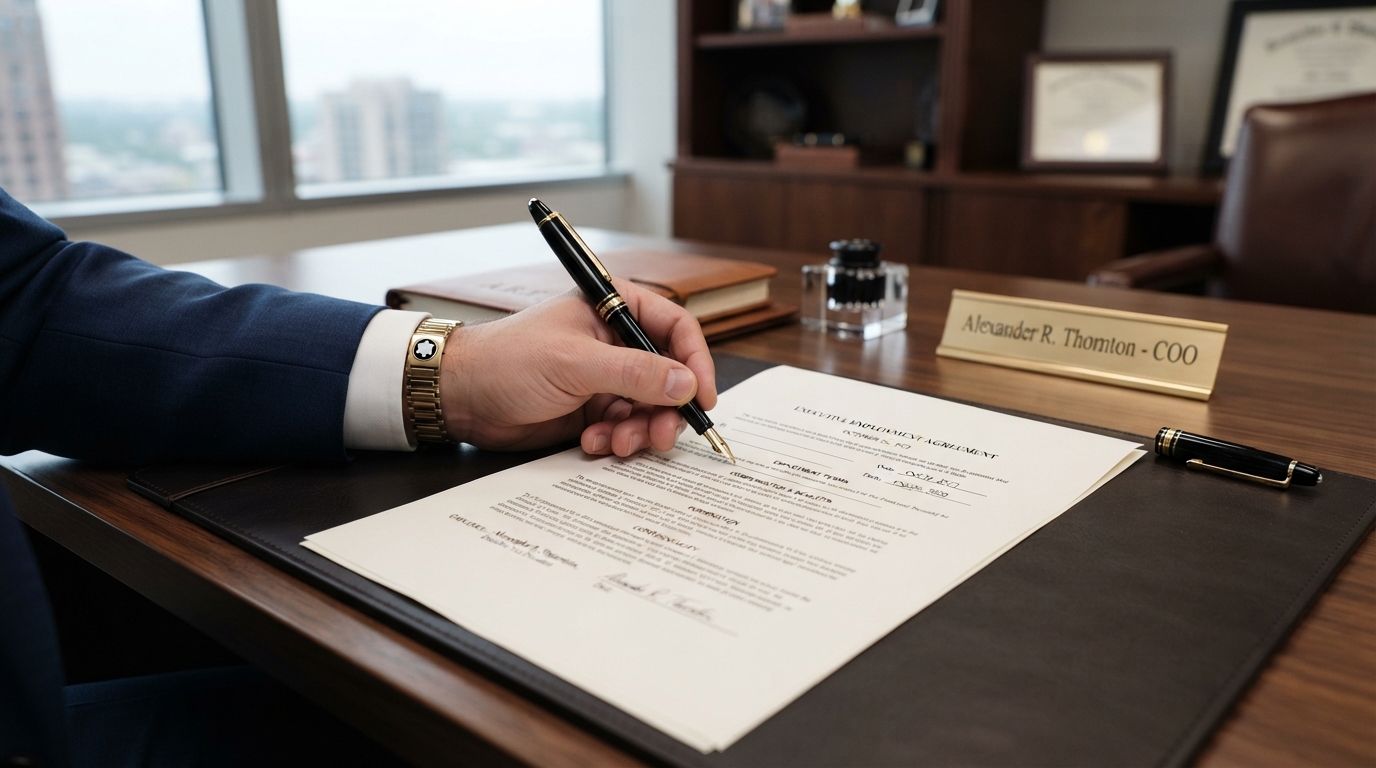
You can't self-petition for an O-1A. The petition must be filed by a US employer, a US agent, or a foreign employer through a US agent. Founders commonly use a US company they set up, or an agent, as the petitioner. Each option has its own paperwork, so choose based on how you actually plan to work.
The most common O-1A question is some version of "can I file it myself?" The short answer is no. The longer answer is that there are several ways to have a petitioner, and one of them probably fits how you want to work.
Who can file
USCIS says an O-1 petition should be filed by:
- a US employer
- a US agent
- a foreign employer through a US agent
The person with the extraordinary ability, the beneficiary, can't be their own petitioner. That's the key difference from the EB-1A, where you can file for yourself.
Option 1: a US employer
The simplest route. A US company hires you and files the petition. It needs to show the work you'll do and the terms of employment, usually through a contract or a summary of the oral agreement. The employer pays the filing fees and is responsible for employing you under the terms stated.
Works well for: people with a job offer from a US company.
Option 2: a US agent
An agent can file in two main situations:
- As the actual employer. The agent employs you directly.
- As a representative of you and one or more employers. Useful if you'll work for several US clients or organisations, for example a consultant, an advisor to several start-ups, or a researcher collaborating with several institutions.
When an agent files for work with several employers, the petition normally needs an itinerary of the events or engagements, with dates and locations, and the contracts or terms with each employer.
Works well for: people with several US engagements, and some self-employed founders.
Option 3: a foreign employer through a US agent
If your employer is outside the US and wants you to work there for a period, it can use a US agent to file. The agent files on its behalf.
Works well for: people sent to the US by a non-US company for specific work.
What about founders?
Founders can't petition for themselves, but a US company they own is a separate legal entity and can act as the employer. This is a common structure. The company files the petition and shows real work for you to do. USCIS will look at whether the company is genuine and able to employ you, so a new company with no funding, office or activity makes things harder.
An agent petition is another option for founders who want flexibility, especially if the company is at a very early stage.
Pick the petitioner structure that matches how you'll really work. Mismatches between the petition and reality cause problems at extension time.
What the petitioner provides
Whichever option you use, the petition on Form I-129 usually includes:
- evidence you meet at least 3 of the 8 criteria (or a major international award)
- the written advisory opinion from a peer group or expert
- the contract or terms of the work
- an explanation of the events or activities, with an itinerary where needed
- the filing fees
Fees
From USCIS Form G-1055 (edition 09/09/26), the I-129 fee for an O petition is $1,055, or $530 for small employers and non-profits, plus the Asylum Program Fee ($600 for most petitioners, $300 for small employers, $0 for non-profits). Premium processing is $2,965 for action within 15 business days.
Changing employers
The O-1A is tied to the petitioner and the work described. If you want to work for a new employer, that employer normally files a new petition. With an agent petition covering several employers, adding a new one may need an amended petition.
If you'd rather not depend on a petitioner
The EB-1A lets you file yourself and leads to a green card, but it has a higher bar. Many people start on an O-1A and file the EB-1A later. See our EB-1A vs O-1A comparison, or our O-1A page for how we set up the petitioner side.
Official sources
Checked on 29 September 2026. Fees and rules change, so confirm the current position on these pages before you pay or apply.
- USCIS: O-1 visa for individuals with extraordinary ability
- USCIS: Form G-1055 fee schedule
- USCIS: Premium processing
- eCFR: 8 CFR 214.2(o), O-1 regulations
Common questions
Can I self-petition for an O-1A visa?
No. A US employer, a US agent, or a foreign employer through a US agent must file the petition. You can self-petition for the EB-1A green card instead.
Can my own US company sponsor my O-1A?
A US company you own is a separate legal entity and can act as the employer, as long as it is genuine and able to employ you.
When should I use an O-1A agent?
An agent is useful when you will work for several US employers or clients, or when you want flexibility as a founder or consultant. An itinerary and the terms with each employer are usually required.
Who pays the O-1A filing fees?
The petitioner. The I-129 fee for an O petition is $1,055, or $530 for small employers and non-profits, plus the Asylum Program Fee.
This guide is general information based on the official rules as they stood on 29 September 2026. It is not legal advice for your situation. Immigration rules and fees change, so check the official sources above or speak to us before you apply.
See where your profile actually stands
Take the free eligibility check: 15 questions, an honest readiness score and a named case officer if you want one.
Check Eligibility →